 ®
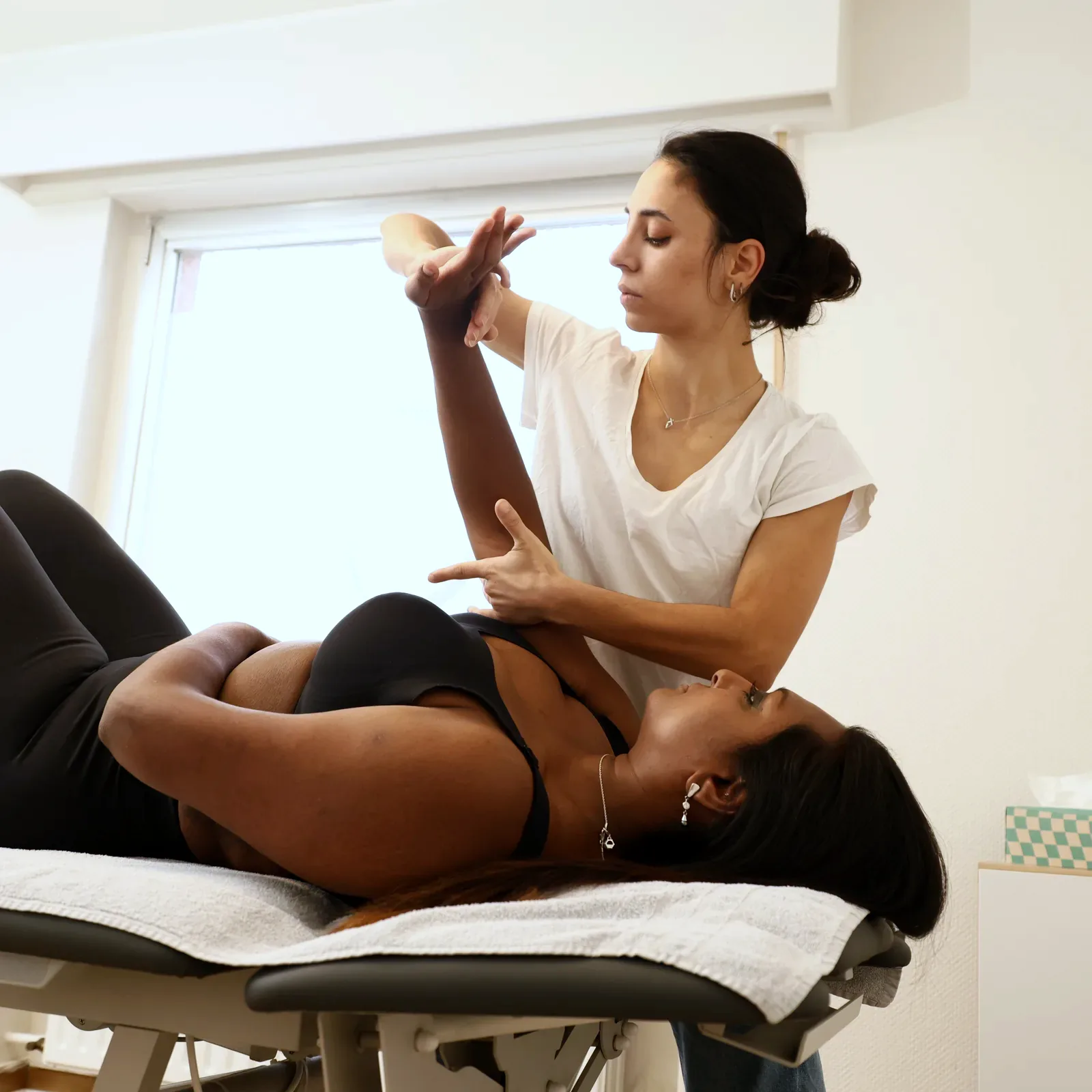
Treatment approach
We start by assessing which movements are already possible and where support is needed. Among other things, we assess strength, mobility, muscle tone, coordination, balance, gait pattern and how you perform important everyday movements.
Depending on the findings, treatment may include practising standing up, sitting down, turning and safe transfers, gait and balance training, targeted activation of weakened muscle groups, exercises for arm, hand, trunk and leg function, strength, endurance and coordination training, and repetition of movement sequences relevant to everyday life. This is complemented by posture and trunk control, training with external cues or rhythmic prompts (for example in Parkinson’s), advice on using aids safely, your own home exercise programme and — where helpful — involving family members.
Neurological physiotherapy is guided by your diagnosis, the stage of the condition and your everyday goals. After a stroke in particular, regular repetition, gradual progression and practising in situations as close to everyday life as possible are central parts of rehabilitation. If you notice new or worsening neurological symptoms — such as numbness, paralysis or speech difficulties — please see a doctor first and without delay.
What is PNF — explained simply
PNF stands for proprioceptive neuromuscular facilitation. The therapist uses specific movement patterns, touch cues, resistance and verbal and visual prompts to initiate existing movement potential and make it easier to use. The exercises are often based on multi-dimensional movements like those that occur in everyday life. PNF is not a rigid exercise programme: the techniques are adapted to each person’s abilities and goals — alongside specific movement patterns, the concept also includes gait training, motor learning and individual treatment planning.
Who provides the treatment?
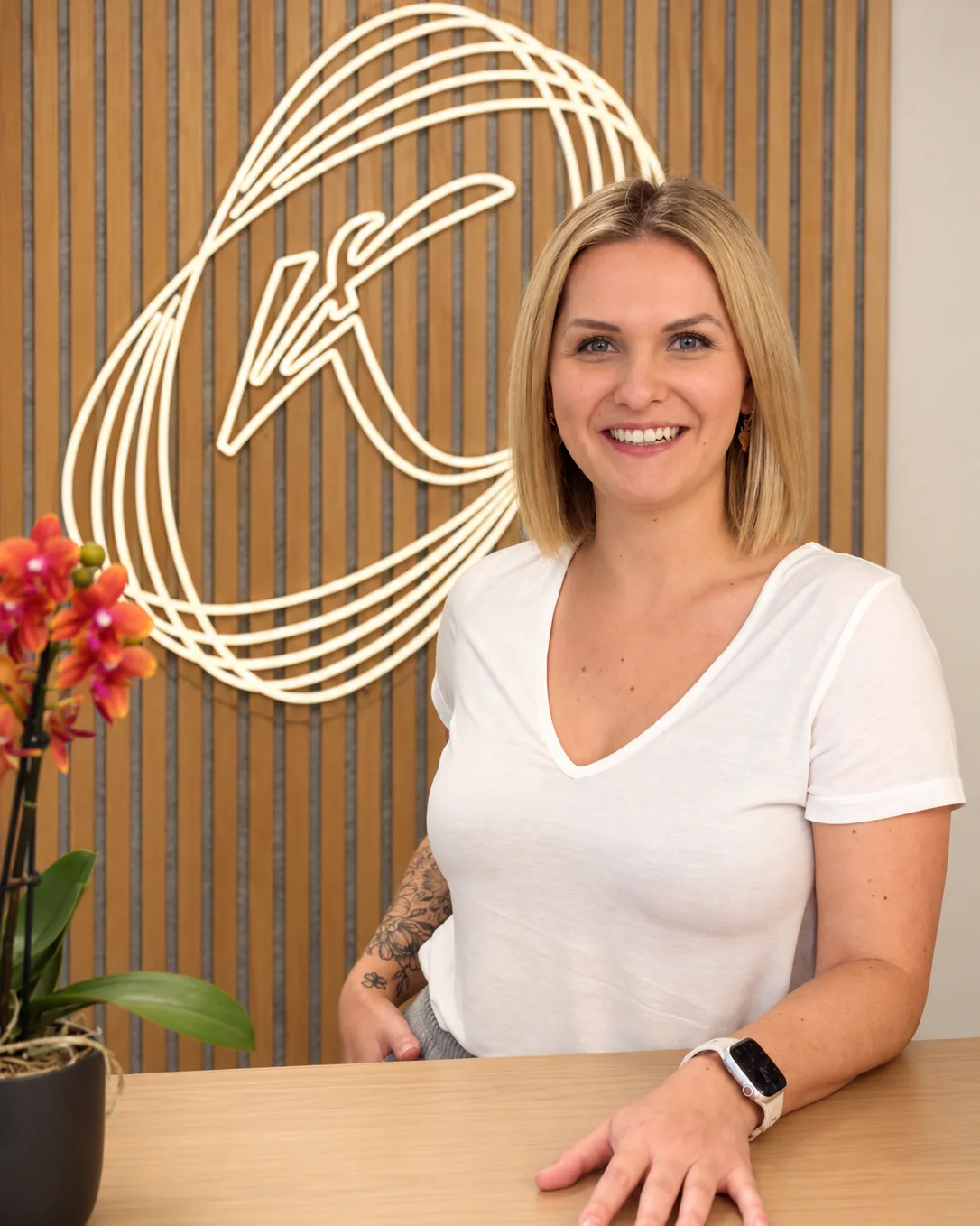
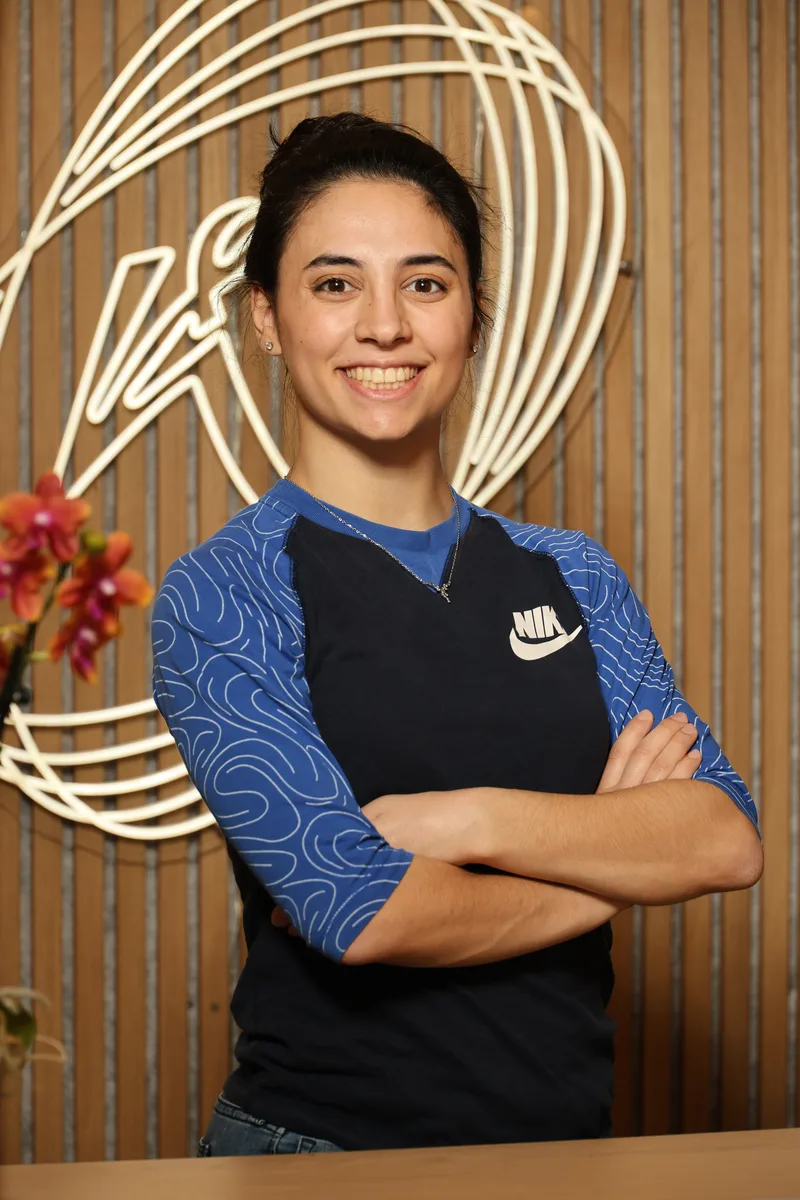
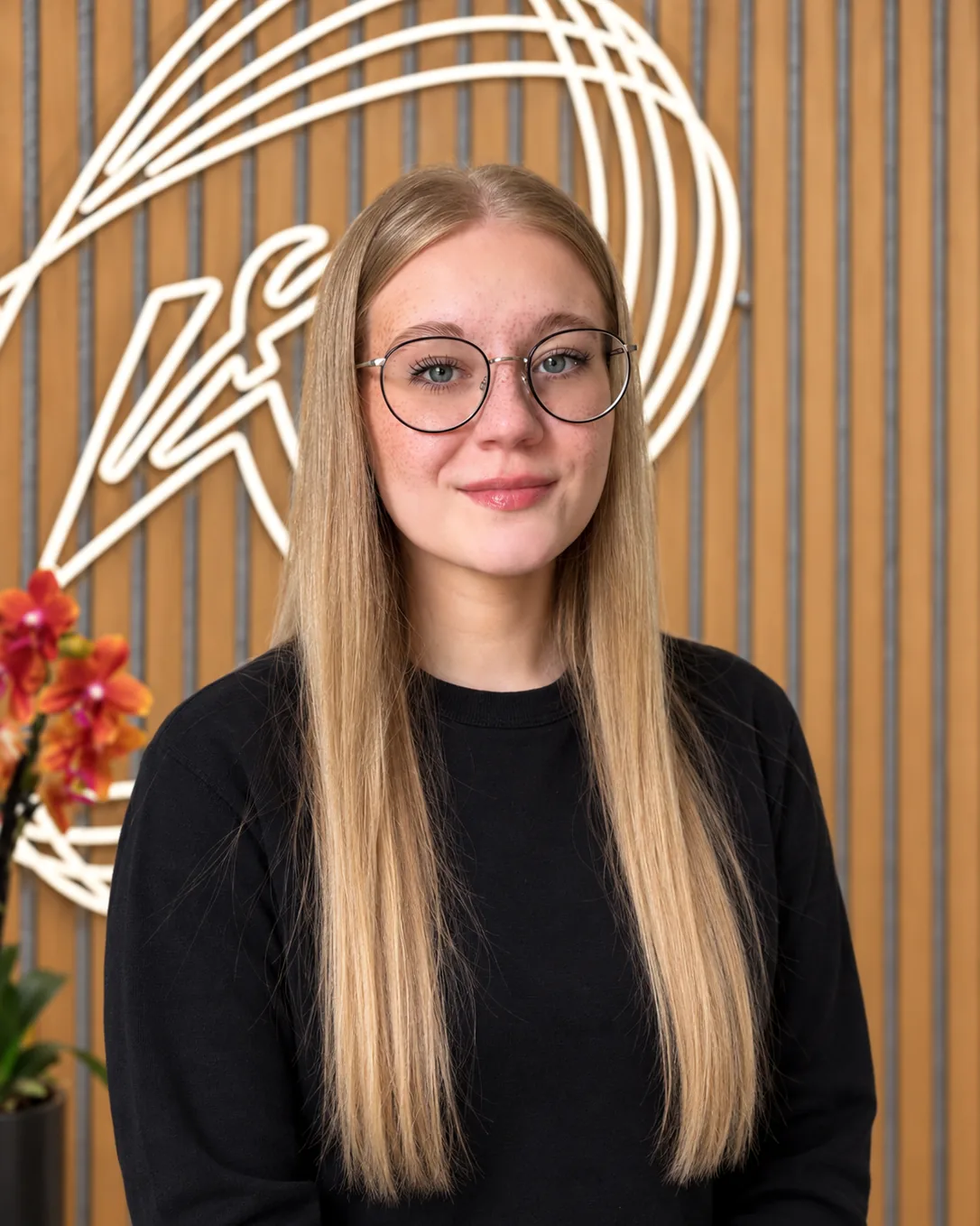
Jaqueline Fell (Schuttrange), Giuseppina Sagona and Laurie Kersch (both Echternach) — all with a focus on neurological rehabilitation and PNF.
Duration & fees
Standard sessions last around 30 minutes, and the standard physiotherapy rates apply. The frequency and length of the course of treatment depend on the medical prescription, the findings and your personal therapy goals; a regular independent exercise programme is a valuable addition to treatment.
Reimbursement: Reimbursable by the CNS with a validated prescription; with a recognised pathologie lourde (e.g. hemiplegia, MS, Parkinson’s), up to 64 sessions with 100% coverage. All details & insurer links →