
Book now

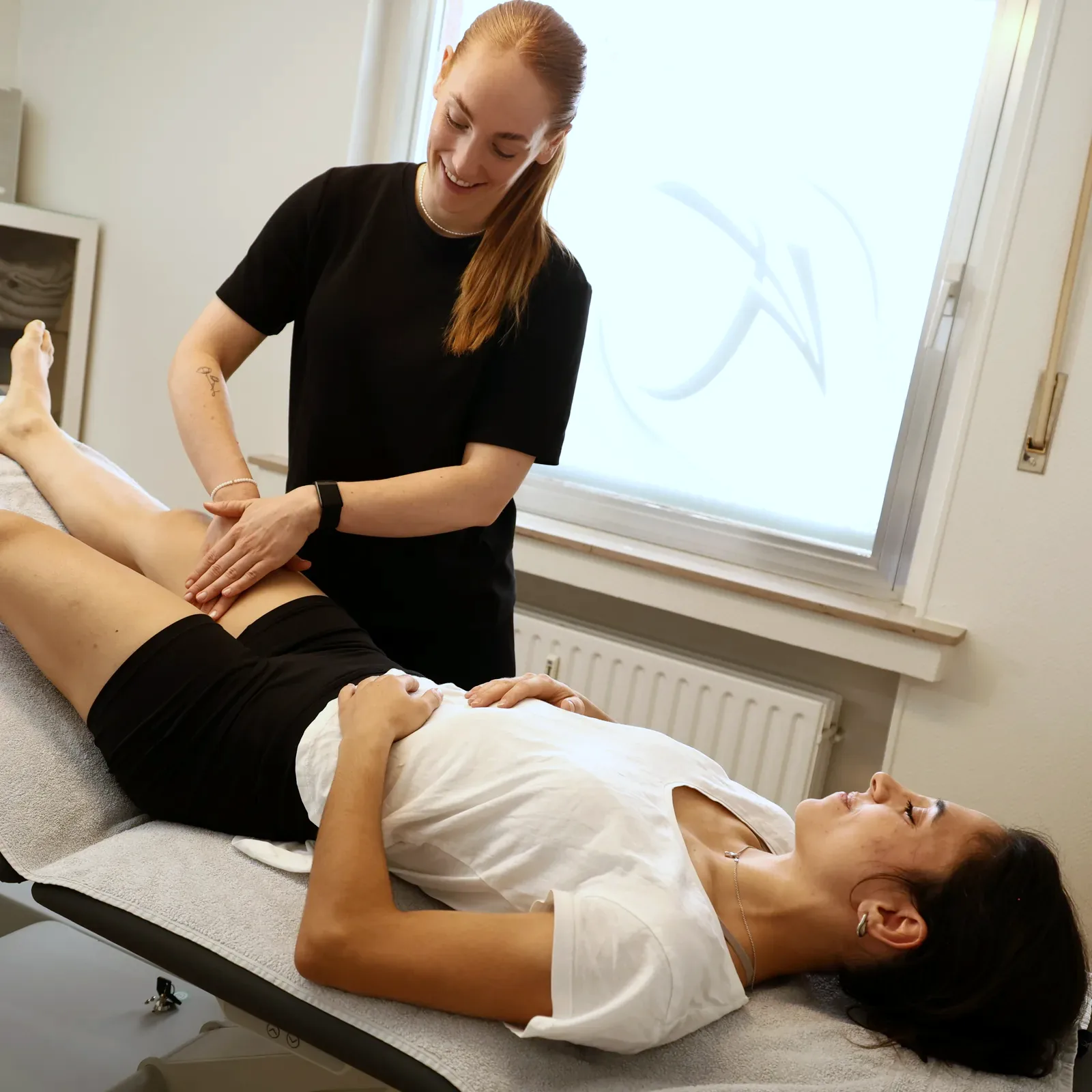
Manual lymphatic drainage

Manual lymphatic drainage for lymphoedema, after surgery and after cancer treatment — gentle, targeted and reimbursable by the CNS with a medical prescription.

Who is it for?

Manual lymphatic drainage at Therakura

Treatment approach

We start by recording the location and extent of the swelling, how it has developed so far, any previous operations and other conditions. Treatment is then adapted to the affected area and to what you can tolerate.

Depending on the findings, therapy includes manual lymphatic drainage with gentle, rhythmic hand techniques to support lymph flow, active movement and breathing exercises, advice on exercise, elevation and self-management, guidance on simple exercises you can do yourself, advice on skin care and infection prevention, and support with wearing compression garments — where needed, in coordination with doctors, specialist services or medical supply stores.

Manual lymphatic drainage is often just one part of complex decongestive therapy: depending on the findings, compression, exercise and careful skin care may also be needed. Lymphoedema can develop when lymph vessels or lymph nodes are impaired from birth or have been damaged by surgery, radiotherapy, injury or illness — but not every swelling is automatically lymphoedema. New or unexplained swelling should first be assessed by a doctor.

Duration & fees

Sessions usually last around 30 minutes — the exact duration depends on the body area affected, the prescription and the findings. In its tariffs, the CNS distinguishes between lymphatic drainage of one limb (ZK16) and treatment of several limbs (ZK17); the official physiotherapy rates apply. Compression materials are not automatically part of physiotherapy treatment.

Reimbursement: With a valid, validated prescription, up to 24 sessions per prescription; reimbursement is generally 70% (100% for under-18s and for recognised serious illnesses, among others). All details & insurer links →

Available at these locations

Your contacts

Frequently asked questions

What is manual lymphatic drainage?

Manual lymphatic drainage is a gentle physiotherapy treatment. Slow, rhythmic hand techniques are used to support the transport of lymph fluid and reduce existing swelling.

Is lymphatic drainage the same as a normal massage?

No. The treatment uses much gentler, precisely applied strokes along the lymphatic drainage pathways. Its main purpose is not to loosen tense muscles.

Is the treatment painful?

Manual lymphatic drainage is usually gentle and should not be painful. However, sensitive scars or very tight tissue may feel uncomfortable at first.

Does lymphatic drainage help with every type of swelling?

No. Swelling can have lymphatic, venous, inflammatory, internal medical or medication-related causes, among others. That is why the cause of the swelling should be clarified before treatment begins.

Can I have lymphatic drainage after cancer surgery?

Yes, manual lymphatic drainage can be part of the treatment of cancer-related lymphoedema. It should be coordinated with your medical findings and your cancer treatment.

Do I also need compression garments?

With pronounced or chronic lymphoedema, manual lymphatic drainage alone is often not enough. Compression, exercise, skin care and self-management can be important parts of treatment. Whether you need compression, and what kind, is assessed individually.

How many sessions will I need?

That depends on the cause, stage and severity of the oedema. Some patients need a time-limited course of treatment, others need longer-term support and consistent self-management.

What should I bring to my first appointment?

Please bring your medical prescription, relevant medical or surgical reports and any compression garments you have. Information about previous operations, radiotherapy and current medication is also helpful.

When must lymphatic drainage not be carried out?

In the case of acute infections, sudden swelling that has not been investigated or suspected thrombosis, a medical assessment must be carried out first. Certain heart, vascular or internal medical conditions must also be taken into account before treatment starts.

When should I contact a doctor urgently?

If the swelling suddenly increases, or you notice redness, warmth, severe pain, fever or feel very unwell, treatment should be paused and you should seek medical advice promptly. Sudden shortness of breath or chest pain is a medical emergency.

Your path to lasting health starts here.

Book your appointment online – in Schuttrange, Echternach or Contern.

Book an appointment